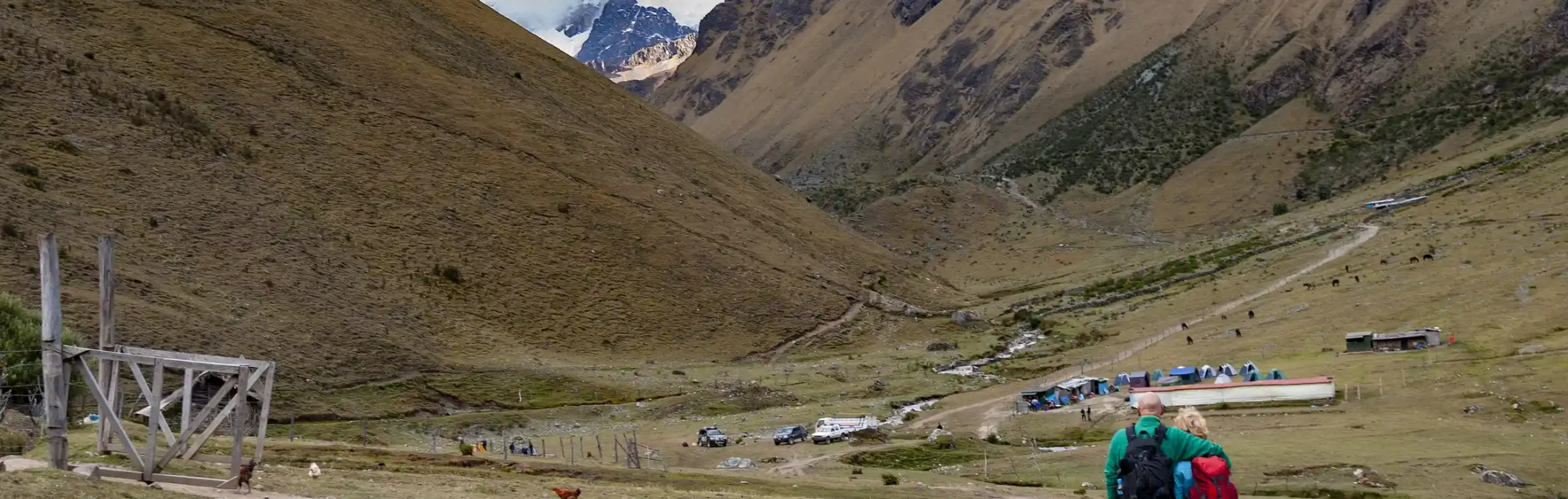

Most Salkantay Trek preparation guides focus on visible variables: altitude acclimatization, physical fitness, and what to pack. Yet they largely ignore a critical factor that separates successful trekkers from those who struggle: pack weight and how weight distribution affects your body’s performance at altitude.
The relationship between pack weight and high-altitude trekking success isn’t merely anecdotal. Biomechanical research reveals precise relationships between load mass, energy expenditure, injury risk, and altitude performance. At 4,650 meters elevation where oxygen availability is already severely limited, carrying unnecessary weight creates compounding physiological stress that measurably decreases success rates.
This comprehensive guide explores the biomechanics of load-carrying at altitude, quantifies the actual cost of pack weight using scientific research, and provides strategic frameworks for optimizing what you carry. For trekkers planning the Salkantay experience, understanding these principles often determines the difference between a memorable achievement and a difficult struggle.
Before discussing optimization strategies, understanding the physiological impact of pack weight provides essential context.
Biomechanical research has quantified the metabolic cost of load-carrying. On level ground at sea level, carrying additional weight increases energy expenditure according to the equation developed by biomechanists:
Metabolic Cost = (Body Weight + Pack Weight) × Distance × Grade Factor
More precisely, studies using metabolic measurements show that carrying 1 kilogram of additional weight increases energy expenditure by approximately 1-1.5% on level ground. This relationship intensifies significantly on inclines.
At the Salkantay Trek’s elevation and typical incline grades, this cost multiplies. Research conducted on Alpine trekkers at similar elevations (3,000-4,500 meters) reveals that pack weight effects on energy expenditure increase by 30-50% compared to sea-level estimates due to the combined stress of altitude and incline.
Practical Translation: A trekker carrying a 20-kilogram pack (approximately 44 pounds) burns 20-30% more calories than an identical trekker carrying a 10-kilogram pack (approximately 22 pounds), all else being equal. At altitude where caloric deficit already challenges trekkers, this metabolic burden becomes profoundly significant.
Pack weight doesn’t just increase caloric expenditure; it increases cardiovascular stress through multiple mechanisms.
First, pack weight increases gravitational loading on your lower body, requiring greater force production from leg muscles. Greater muscle force requirements increase blood flow demands to working muscles, elevating heart rate.
Second, pack weight shifts your center of gravity, requiring postural adjustments and increased activation of stabilizing muscles throughout your trunk and lower body. This distributes muscular fatigue across more muscle groups.
Third, the elevated heart rate necessary to supply oxygen to heavily-loaded muscles persists even during rest periods. Recovery becomes slower, and cumulative fatigue—the fatigue that compounds day-to-day—accelerates.
Studies using portable heart rate monitors on high-altitude trekkers document 10-15 additional heartbeats per minute while carrying heavy packs compared to light packs at equivalent elevations and grades. Over a full trekking day involving 6-8 hours of walking, this compounds into substantially greater cardiovascular stress and reduced oxygen efficiency.
The musculoskeletal system, already stressed by altitude and incline, faces additional vulnerability under pack weight. Research documents clear relationships between load mass and injury incidence among military personnel and mountaineers.
Knee and Ankle Injury: Downhill sections on the Salkantay Trek present particular risk. Descending with loaded packs creates impact forces at the knee joint that can exceed three times body weight with each step. Pack weight amplifies these forces. Studies show that trekkers carrying 15+ kilogram packs experience knee pain incidence rates approximately 50% higher than those carrying 8-kilogram packs.
Lower Back Injury: Improperly distributed pack weight creates asymmetrical loading on spinal structures. Research using force plate analysis and electromyography (measuring muscle electrical activity) reveals that heavy packs, even when properly fitted, increase lumbar spine compression forces measurably. Trekkers with pre-existing lower back issues show substantially elevated risk.
Blister and Foot Injury: Pack weight increases ground reaction forces transmitted through feet. This increases blister risk, stress fracture risk in foot bones, and plantar fasciitis. Additionally, weight shifts foot position subtly, altering gait mechanics and foot strike patterns—changes that, while individually minor, accumulate across thousands of steps.
At sea level, pack weight represents a significant but manageable burden. At the Salkantay’s elevation, weight becomes disproportionately consequential through several mechanisms.
The fundamental constraint at altitude is oxygen availability. Your muscles can extract oxygen at only a certain maximum rate—your VO2 max. At sea level, you operate below your VO2 max during most activities, allowing relatively efficient aerobic metabolism.
At 4,650 meters elevation, atmospheric oxygen concentration is 46% of sea level values. Most trekkers at this elevation operate close to or at their VO2 max even during modest-paced hiking. Any activity—including carrying weight—that increases oxygen demand pushes you above your capacity for aerobic metabolism.
When oxygen demands exceed aerobic capacity, your muscles shift toward anaerobic metabolism—metabolic pathways that don’t require oxygen but produce lactate and hydrogen ions, creating metabolic acidosis. This metabolic state feels like “the burn”—intense muscular fatigue and discomfort.
Critical Point: Pack weight, by increasing oxygen demand during hiking, more readily pushes altitude trekkers into anaerobic metabolism compared to equivalent-weight loads at sea level. This creates a psychological and physiological breaking point that doesn’t exist at lower elevations.
Research on Alpine climbers at comparable elevations shows that load-induced increases in oxygen demand sufficient to trigger anaerobic metabolism occur at loads that would cause only moderate exertion at sea level.
A second altitude-specific mechanism involves cumulative fatigue. At sea level, heavy exertion triggers fatigue that recovers relatively quickly during rest or sleep. At altitude, recovery is impaired.
Sleep architecture at altitude is already disrupted (as discussed in previous articles). Pack weight stress extends into the evening and night—your muscles must repair damage from load-carrying, requiring protein synthesis and energy expenditure occurring even during sleep. The already-compromised sleep at altitude becomes further disrupted by muscular damage and metabolic stress.
Day-to-day, this cumulative fatigue accelerates. Trekkers on the Salkantay Trek spanning 5+ days face multiplicative fatigue effects when carrying heavy loads, effects far exceeding day-1 fatigue predictions.
A less-discussed but important effect involves cognitive function. Altitude impairs executive function—complex decision-making, planning, and problem-solving—through multiple mechanisms including hypoxia and sleep disruption.
Pack weight and fatigue amplify these cognitive effects. Trekkers carrying heavy packs report greater difficulty making decisions about pacing, route-finding, and weather response. This cognitive impairment isn’t merely inconvenient; it increases risky decision-making and reduces the ability to recognize warning signs of overexertion.
Interestingly, trekkers who’ve completed the Salkantay Trek with light packs often report sharper mental clarity throughout the trek compared to those with heavy packs. This subjective observation aligns with research showing that physical fatigue impairs cognitive function at altitude beyond the direct effects of altitude alone.
Given the physiological costs of pack weight, what represents an optimal load?
Military and mountaineering research provides evidence-based guidance. Studies examining performance and injury rates at various load levels suggest:
Ultralight (under 6 kg / 13 lbs): Achievable through extreme gear minimization. Best suited for experienced trekkers with lightweight gear already assembled. Physical demands are minimal; this range allows even less-fit individuals to complete difficult treks with reduced struggle.
Light (6-9 kg / 13-20 lbs): Represents the sweet spot for high-altitude trekking. This range allows carrying sufficient gear for comfort and safety while maintaining metabolic efficiency and reducing injury risk. Most research suggests minimal injury incidence at these weights.
Moderate (9-12 kg / 20-26 lbs): Acceptable but trending toward problematic. Injury incidence begins increasing noticeably at these weights. Altitude performance begins showing measurable decrements. Many trekkers at this weight report meaningful struggle, particularly on day 3-4.
Heavy (12-16 kg / 26-35 lbs): Substantially increases injury risk and impairs altitude performance. Trekkers at this weight frequently experience knee pain, cumulative fatigue, and reduced enjoyment. Success rates decline meaningfully.
Very Heavy (over 16 kg / 35 lbs): Creates substantial risk of abandoning the trek, injury, or severe suffering. Not recommended for the Salkantay Trek given the altitude and terrain demands.
These ranges assume average-weight, reasonably-fit trekkers. Individual factors modify optimal ranges:
Body Weight: Heavier individuals can carry more absolute weight while maintaining proportional loads. A 100-kilogram individual can reasonably carry more than a 60-kilogram individual. The relevant metric is relative pack weight (pack weight as a percentage of body weight). Research suggests maintaining pack weight under 15% of body weight at altitude; 10-12% proves more optimal.
Age: Younger trekkers (under 30) tolerate heavier loads better than older trekkers. Age-related declines in muscle power and recovery capacity amplify load effects. Trekkers over 50 should target the lower end of recommended ranges.
Fitness Level: Well-trained trekkers with high cardiovascular capacity tolerate load better than sedentary individuals. However, even fit trekkers benefit from lighter loads at altitude; the altitude constraint remains limiting regardless of sea-level fitness.
Previous High-Altitude Experience: Trekkers with prior altitude exposure show better load tolerance, though the effect is modest. Altitude adaptation helps but doesn’t eliminate load effects.
Carrying Efficiency: Some trekkers carry the same load more efficiently—perhaps due to better hip belt technique or core strength—experiencing less physiological stress. Poor load carriers may need to reduce weight more aggressively.
Achieving ultralight or light pack weights requires strategic decision-making about what to carry and how.
The first and most important step involves eliminating items that don’t contribute meaningfully to success or safety. Categories to scrutinize:
Duplicate Items: Many trekkers carry multiple items serving identical functions. Sunscreen and insect repellent combined into one product. Single pair of walking shoes rather than multiple footwear options. One cooking pot rather than separate containers for different meals.
Excessive Clothing: Most trekkers overestimate clothing needs. On the Salkantay Trek during the dry season, you realistically need: one light insulating layer (a fleece or synthetic jacket), a waterproof shell, and thermal underwear. Additional clothes in different colors don’t improve safety or performance.
Heavy Sleeping Bags: Modern synthetic sleeping bags rated for -5°C weigh 400-600 grams. Heavier bags provide no meaningful warmth advantage at Salkantay elevations. Weight savings of 400-600 grams (substantial) emerge from choosing appropriate—not excessive—insulation.
Photography Equipment: This varies by individual priorities. However, modern smartphones provide adequate photography for most users, eliminating multi-kilogram camera bodies and lenses.
Toiletries and Personal Care: Most trekkers carry excess quantities. Shampoo, conditioner, moisturizer, and makeup provide minimal benefit on a 5-day trek; basic soap and lip balm suffice. Weight reduction: 1-2 kilograms typically.
Food Excess: Many trekking companies and outfitters pack excess food assuming trekkers will eat substantially more than they actually do. Appetites diminish at altitude. Carrying food for “extra days” rarely proves necessary and adds unnecessary weight.
Guidebooks and Unnecessary Documentation: Detailed guidebooks and extensive documentation add weight without necessity. Modern smartphones can store digital versions.
Estimated Elimination: Systematically eliminating non-essentials typically reduces pack weight by 3-5 kilograms without sacrificing comfort or safety for most trekkers.
For items that are necessary, material choices profoundly affect weight while maintaining function.
Tent Selection: Modern ultralight tents weigh 600-1000 grams for two-person tents. Heavy conventional tents can weigh 2-3 kilograms. Weight savings: 1-2 kilograms with superior weather performance.
Sleeping Pad Selection: Inflatable pads weighing 300-500 grams outperform much heavier foam pads. However, pad insulation value matters at Salkantay elevations (cold nights below freezing). Choosing high-insulation ultralight pads costs more but saves significant weight.
Backpack Selection: Frame packs for ultralight trekking weigh 1.5-2 kilograms; conventional packs weigh 3-4 kilograms. However, ultralight packs sacrifice carrying comfort and capacity. For most Salkantay trekkers, modern lightweight packs (2.0-2.5 kilograms) represent the sweet spot.
Cooking Equipment: Ultralight camping stove systems (including fuel canister) weigh under 300 grams. Conventional camp stove systems weigh 2-3 kilograms. If you prepare your own meals, weight savings are substantial. Note: many guided Salkantay treks include meals, making personal cooking equipment unnecessary.
Water Purification: Chemical purification (iodine tablets or aqua tablets) weighs less than 50 grams for a multi-day trek. Ultralight gravity filters weigh 100-200 grams. Heavy pump filters weigh 500+ grams. Choose appropriately for your system.
Estimated Savings: Strategic material selection for key items typically achieves 2-4 kilograms weight reduction compared to budget/conventional equipment, while sometimes improving performance and comfort.
Even optimally-packed weight causes problems if poorly distributed. Proper load distribution reduces physiological stress measurably.
Hip Belt Positioning: The hip belt should sit on your hip crests (the bony points on your pelvis), not on your hips. 60-70% of pack weight should be borne by your hips, not your shoulders. Improper hip belt positioning increases shoulder and back strain substantially.
Pack Height and Length: Packs should position the weight close to your spine and centered on your back. Packs extending too high or too low create leverage effects amplifying stress on your shoulders and spine. Proper fit requires trying packs with weight to assess this.
Compression and Straps: Properly tightened compression straps stabilize the load, preventing movement that creates dynamic stress. Loose straps allow weight sloshing, increasing muscular effort required for stabilization.
Weight Positioning: Heavier items should position themselves in the pack’s center, near your back and between your hip and shoulder blades. Positioning heavy items high on the pack or far from your spine increases biomechanical stress.
Estimated Impact: Proper pack fit and loading reduces physiological stress by 10-15% compared to poorly-fitted packs, equivalent to reducing absolute pack weight by 1-2 kilograms.
Implementing the principles above, here’s a realistic breakdown for a 5-day Salkantay Trek guided trek (where meals are provided):
Backpack: 2.2 kg (modern lightweight pack with comfortable carry)
Shelter (if not provided): 1.5 kg (ultralight 2-person tent)
Sleeping Bag (if not provided): 0.6 kg (synthetic rated -5°C)
Sleeping Pad (if not provided): 0.5 kg (ultralight inflatable with R-value 4+)
Clothing:
Toiletries and Personal Care: 0.8 kg (basic items only)
Navigation and Documents: 0.3 kg (smartphone, permits)
Safety and Repair:
Food and Water:
Electronics:
Total Estimate: 9.9 kg (approximately 22 lbs)
This represents a realistic light pack weight for a guided trek where meals, guides, and shelter are provided by the trekking company.
To achieve ultralight (under 7 kg):
To achieve moderate packing (12-14 kg) when carrying your own shelter and meals:
Ultimately, optimal pack weight involves personal tradeoffs between minimizing weight and maintaining comfort and safety.
Pursuing ultralight packing beyond physiological necessity creates its own problems:
Insufficient Clothing: Minimizing clothing too aggressively creates risk of hypothermia during unexpected weather or mechanical issues. The marginal weight cost of backup clothing is justified by safety.
Inadequate Shelter: Ultralight tents sacrifice durability and weather resistance. Marginal weight savings aren’t justified if shelter reliability becomes questionable.
Inadequate Sleep System: Sleeping bags insufficient for altitude conditions result in poor sleep, amplifying altitude effects. The weight cost of proper insulation is justified by better rest and recovery.
Insufficient Food/Water: Aggressive caloric restriction to reduce food weight creates physiological stress at altitude. Malnutrition impairs performance and safety.
The best approach involves:
This personalized optimization beats generic recommendations, as individual preferences and physiological responses vary.
Beyond packing strategically, physical preparation should include load-bearing training—hiking with progressively heavier weights to adapt your musculoskeletal system.
Begin training 8-12 weeks before your trek:
Weeks 1-3: Hike carrying 8-10 kg on moderate terrain, 1-2 times weekly
Weeks 4-6: Increase to 10-12 kg or increase distance/elevation gain
Weeks 7-9: Carry your actual trek weight on practice hikes matching trek terrain intensity
Weeks 10-12: Refine technique and confidence; short maintenance hikes
This progression allows your body to adapt to load-carrying, strengthening relevant muscles and building the tolerance necessary for successful trekking. Trekkers who skip load training frequently experience greater struggle on the actual trek.
Pack weight represents a fundamental planning variable for Salkantay Trek success, yet it’s often overlooked in favor of more visible preparation aspects. Understanding the biomechanical and physiological relationships between load and performance transforms pack weight from an afterthought into a strategic variable you can optimize.
The evidence is clear: lighter packs demonstrably improve performance, reduce injury risk, decrease physiological stress, and enhance enjoyment at high altitude. The practical frameworks provided in this guide allow you to achieve optimal pack weight through strategic decision-making about what to carry and how to carry it efficiently.
For many trekkers, optimizing pack weight proves more impactful than any other single planning decision. By implementing these principles, you position yourself for success on the Salkantay Trek, carrying what you truly need while eliminating burdens that detract from your experience without providing commensurate safety or comfort benefits.


